
Projects
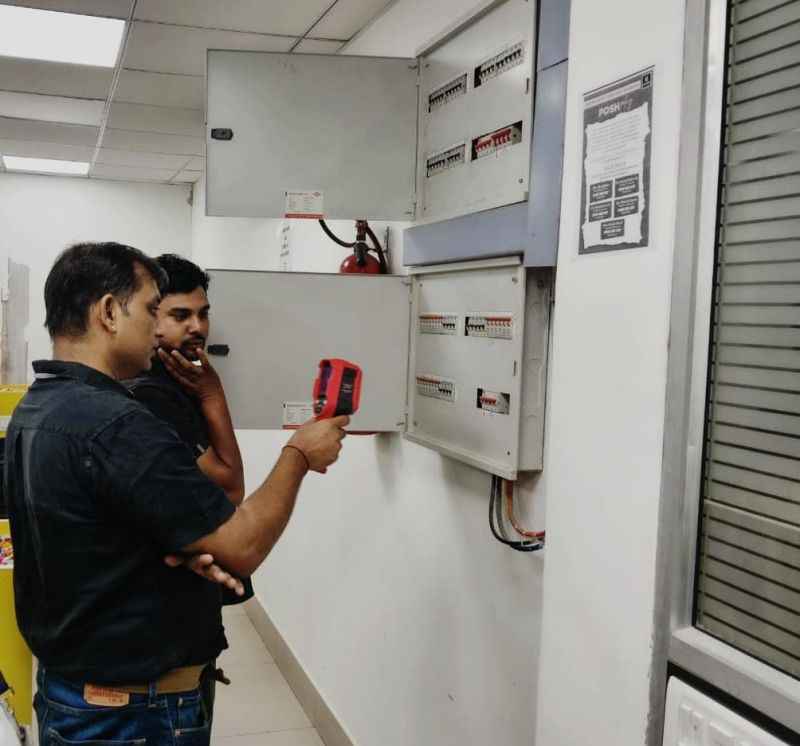
Case Study: Thermal Imaging Analysis of LT Distribution System
Organization: Jorawar EngineersExpertise: Electrical Safety Audits | Thermography | Predictive MaintenanceReport Reference: JE/TA/2025/XXXClient: Confidential (Industrial Facility)Location: IndiaDate: June 2025 Case Overview An industrial facility engaged Jorawar Engineers to carry out a comprehensive Thermal Imaging Analysis of its Low Tension (LT) electrical distribution system. The primary objective of the study was to proactively identify abnormal heating conditions, enhance electrical safety, and reduce the risk of fire or unplanned system failures. The assessment was conducted on live electrical systems to ensure realistic operating conditions and accurate identification of potential electrical risks. Objective of the Study The objective of this thermal analysis was to perform live, non-invasive infrared thermography on the LT distribution system to: Methodology The thermal assessment was conducted using industry-accepted thermography practices: The inspection covered LT panels, cable terminations, and critical electrical interfaces under actual operating conditions. Key Observations During the inspection, a critical abnormality was identified at a cable termination point inside the LT distribution box. Observed Parameters: Initial Assessment:The elevated temperature indicated a potential loose connection or circuit overloading, posing a serious electrical and fire risk if left unaddressed. Thermal images and corresponding visual inspection photographs were captured to support the findings. Risks Identified The observed overheating condition presented multiple operational and safety risks, including: Root Cause Analysis Based on thermal patterns and site observations, the probable root causes were identified as: Recommendations Immediate Actions Corrective Maintenance Preventive Measures Fire Safety Controls Scope of Work Executed Reference Standards The assessment was conducted in alignment with internationally recognized standards, including: Benefits of Thermography Testing Application Areas Thermography testing is applicable across: Conclusion The thermal imaging study conducted by Jorawar Engineers successfully identified critical overheating within the LT distribution system. The insights obtained enable the client to take timely corrective and preventive actions, significantly enhancing electrical safety, operational reliability, and compliance with maintenance best practices. Survey Conducted By:Jorawar EngineersElectrical Testing | Fire Safety | Green Building | O&M 📞 +91 94141 35435 | +91 70168 03127📧 info@jorawarengineers.com | naresh.purohit@jorawarengineers.com🌐 www.jorawarengineers.com
Fire & Electrical Safety Audits: Why Every Industrial Facility Must Prioritize Compliance
In today’s industrial and commercial environment, fire and electrical safety are no longer optional—they are legal, operational, and reputational necessities. Electrical failures and fire hazards remain among the leading causes of industrial accidents, downtime, and asset loss across India. This is where Fire & Electrical Safety Audits play a critical role. A structured safety audit helps organizations identify hidden risks, comply with statutory regulations, and ensure uninterrupted operations. What Is a Fire & Electrical Safety Audit? A Fire & Electrical Safety Audit is a systematic technical assessment of a facility’s electrical systems, fire protection measures, and safety practices. The objective is to evaluate whether installations comply with applicable standards, identify potential hazards, and recommend corrective actions. These audits are typically conducted in accordance with: Why Safety Audits Are Critical for Industries Many organizations assume their systems are safe simply because they are operational. In reality, most safety failures originate from aging infrastructure, poor maintenance, or undocumented modifications. Key reasons audits are essential: 1. Prevent Electrical Fires & Accidents Loose connections, overloaded circuits, improper earthing, and insulation failures can lead to short circuits and fires. Audits detect these issues before they escalate. 2. Ensure Statutory Compliance Regulatory authorities increasingly mandate periodic safety audits for factories, hospitals, hotels, malls, and high-occupancy buildings. Non-compliance can result in penalties, shutdowns, or legal action. 3. Reduce Downtime & Asset Loss Unexpected electrical failures can halt production and damage costly equipment. Preventive audits help avoid unplanned outages and financial losses. 4. Protect Human Life Employee and occupant safety is paramount. A safe electrical and fire system significantly reduces the risk of injury or fatalities. What a Fire & Electrical Safety Audit Covers A comprehensive audit goes far beyond visual inspection. It includes: Electrical Safety Assessment Fire Safety Evaluation Industries That Must Conduct Regular Audits While audits are beneficial for all facilities, they are critical for: High electrical loads and public occupancy increase risk, making regular audits indispensable. Frequency of Safety Audits Audit frequency depends on the facility type and regulations, but generally: Regular audits ensure continued compliance and system reliability. The Value of a Professional Audit Partner Not all audits deliver the same value. A professional audit firm provides: This approach ensures audits are not just compliance documents but tools for real safety improvement. Final Thoughts Fire & Electrical Safety Audits are an investment in people, assets, and business continuity. In an era of strict regulations and rising operational risks, proactive safety management is the responsibility of every organization. Facilities that prioritize safety audits not only meet legal requirements but also gain long-term operational stability and trust.